

Emergency care, immediate relief.
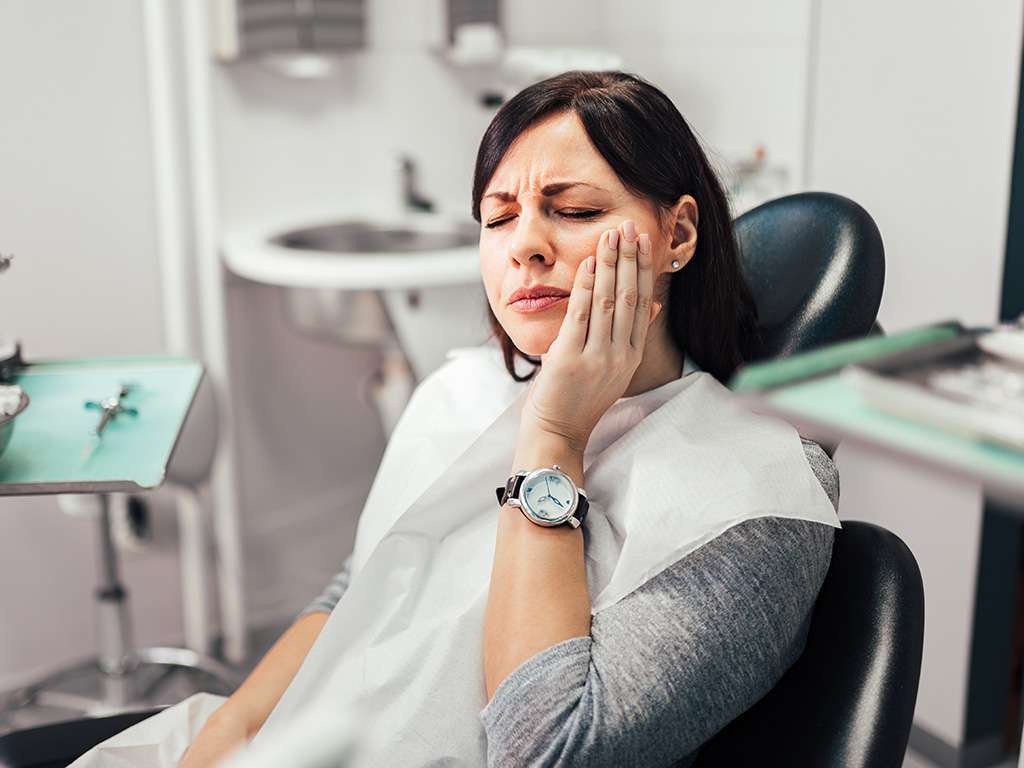
Dental emergency? What you need to know.
Dental emergencies can occur unexpectedly and may require immediate attention. If your condition isn’t urgent, we will schedule you to come in as soon as possible for dental treatment and pain relief, if needed.
It can be hard to know if dental pain is an emergency or not and who to call. We’re available to help you figure out what to do next.
Dental Emergency
Examples include severe pain, infections, and lost teeth or fillings. Unsure? Call us now for guidance.
Hospital Visit
Seek medical help for severe swelling that restricts breathing, head trauma, excessive bleeding not related to recent dental treatment or other severe injury.
Dental emergencies we treat.
If you find yourself experiencing a dental emergency, please contact us for assistance.
Severe Toothache
Cracked/Broken Teeth
Knocked-out Tooth
Broken Dentures
Lost or Loose Fillings/Crowns
Swelling
Bleeding/Swollen Gums
Dental Abscesses

What to do in a dental emergency.
Dental emergencies can be alarming. Stay calm and follow these steps to manage the situation effectively until you reach our clinic.
Toothache
Toothaches can be distractions that prevent you from living your life. Until you can visit us to treat your toothache, it is recommended to ice the affected area intermittently. Over the counter pain medication such as Tylenol and Ibuprofen can also be effective for pain management. It is not recommended to take “leftover” antibiotics or other prescription medications.
Cracked Tooth
Trauma to the tooth can result in damage to both the tooth and the root. Depending on the severity of the trauma, different treatment may be required. We recommended you contact us to schedule an evaluation to determine how to treat the tooth best. Leading up to your appointment, it is recommended to ice the affected area 15 minutes at a time and take over that counter pain medication as instructed on the packaging.
Knocked-out Tooth
If you have experienced trauma that results in a tooth being knocked out of your mouth completely (avulsed tooth), it is important to act quickly to help increase the chances of saving your tooth. Handle the tooth by the crown only (the part you can see when it is in your mouth). If there is debris or dirt on the root, gently rinse it with water. Do no rub or scrub the root surface. If possible, the best approach is to reinsert the tooth into the socket that it came from and hold it in place until you can see us. If you can’t reinsert the tooth, holding it in a glass of water or milk is the next best alternative. Contact us immediately for an emergency visit.
Soft Tissue Injury
If you have experienced a soft tissue injury such as a split lip or trauma to your tongue, a few details should be assessed to determine who to visit. If there is severe bleeding that is hard to slow, an urgent care or emergency room visit is the correct option. Additionally, if there has been significant head trauma or loss of consciousness you should seek help at an emergency room. Small soft tissue traumas can be managed with our team. Please reach out with any concerns or to schedule an emergency appointment.
Frequently Asked Questions.
I knocked my tooth out. How quickly do I need to see you?
After a tooth has been knocked out, it is important to see us within one hour of the trauma. Please consult our instructions on how to best manage an avulsed tooth prior to your appointment.
I have a terrible toothache and significant facial swelling. Do I come see you or the emergency room?
If your swelling is severe enough to cause visual impairment or difficulty breathing, please go to the emergency room for immediate treatment. If the swelling is significant but has not restricted breathing or vision, contact our team for immediate treatment.
I hit my tooth and now it is loose, but it didn't come out. Do I need to see you?
Yes, follow up treatment to evaluate the health of the tooth and treatment to stabilize it is highly recommended. Contact our team for an appointment. Until your appointment, do not eat with or wiggle the tooth. Allow it to rest, take over the counter pain medication as directed on the package and gently ice the area in 15 minute intervals to reduce swelling.
My tooth is causing me a lot of pain and I'm not sure if it's an emergency or not. What do I do?
ALWAYS feel free to contact our team with any concerns. If you are unsure about any situation you’re experience with your mouth or teeth, we are happy to guide you through the correct steps.